Recipe Video
Where Austrian Technique Meets Vietnamese Soul
If you’ve been following PattyPlates for a while, you know what I’m about. My culinary specialty, the thing I keep coming back to, is taking classic western dishes and finding the Asian twist that makes them feel completely new without losing respect for either culture. The goal is never to replace what makes the original great. It’s to find the intersection where two culinary traditions enhance each other in a way that neither could achieve alone.
This schnitzel is one of my favorite things I’ve ever made. And it might be the clearest expression of that philosophy I’ve put on this blog.
On one side, you have the Wiener Schnitzel, one of the great dishes of Austrian cuisine. A thin, pounded cutlet, breaded and fried in clarified butter until the crust is golden, airy, and shatteringly crispy. Simple. Perfect. Non-negotiable in its technique.
On the other side, you have the flavors of Vietnamese cooking. Fish sauce, palm sugar, oyster sauce, garlic, and shallot. A marinade that is simultaneously sweet, deeply savory, and funky in the best possible way. Fresh herbs, bright acidity, and the kind of aromatics that make a kitchen smell incredible the moment they hit the pan.
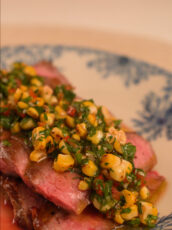
Put them together and you get a schnitzel marinated in a flavor-packed fish sauce, coated in pulverized banh mi breadcrumbs, fried in clarified butter infused with lime leaves, and served with a herb-loaded Vietnamese potato salad and a dollop of rich pate on the side. Austrian backbone. Vietnamese soul. Something entirely its own.

Why This Combination Works
The reason this fusion makes sense rather than feeling forced comes down to the shared logic between the two traditions.
Both Austrian and Vietnamese cooking understand the importance of contrast. A classic schnitzel is built on the contrast between the crispy, golden crust and the juicy, tender pork inside. Vietnamese cuisine is built on the contrast between rich and bright, heavy and fresh, savory and acidic. When you bring them together, every element reinforces rather than fights the other.
The fish sauce marinade penetrates the pork before the breading goes on, infusing the meat with a deep, savory umami that plain salt could never achieve. The palm sugar in the marinade caramelizes slightly under the crust as it fries, adding a subtle sweetness that makes the pork taste more complex without tasting sweet. The pulverized banh mi breadcrumbs are finer and lighter than standard panko, creating a more delicate crust that shatters rather than crunches. The lime leaf infused clarified butter adds a citrusy, floral fragrance to the frying fat that perfumes the entire crust.
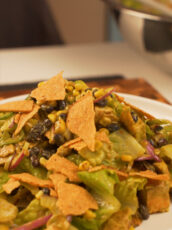
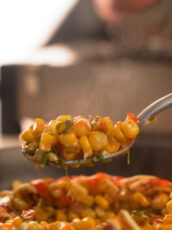
And then the potato salad. Loaded with mint, Thai basil, perilla, and dill, dressed with apple cider vinegar, whole grain mustard, and Vietnamese hot sauce, it does exactly what a good schnitzel side should do. It cuts through the richness of the fried crust and makes every subsequent bite taste better than the last.
The pate is the finishing touch. A small spoonful of rich, smooth Vietnamese pate alongside the schnitzel is a nod to the banh mi, where pate and meat and fresh herbs exist on the same platform together. It works here for the same reason it works there.
Vietnamese Schnitzel Recipe
Ingredients
Pork Schnitzel
- 2 center-cut pork chops, bone removed
- 30 g palm sugar
- 30 g fish sauce
- 30 g shallot, grated
- 10 g oyster sauce
- 10 g garlic, minced
- 2 g black pepper, ground
- ½ cup flour
- 2 eggs, beaten
- 1 cup fine breadcrumbs or pulverized banh mi
- Clarified butter, for frying (neutral oil works as a budget alternative)
- Lime leaves, optional but recommended
Potato Salad
- 600 g red potatoes, cut into 1-inch pieces
- ½ cup scallions, sliced, plus more for garnish
- 2 tbsp apple cider vinegar
- 2 tbsp whole-grain mustard
- 2 tbsp Vietnamese hot sauce
- 1½ tsp sugar
- 1½ tsp kosher salt
- ⅛ tsp black pepper
- 8-10 mint leaves, torn
- 8-10 Thai basil leaves, torn
- 4-6 perilla leaves, torn
- 3-4 tbsp dill, roughly chopped
To Serve
- Lime wedges
- Vietnamese pate
Instructions
Prepare the Schnitzel
Step 1: Pound the Pork
Place each pork chop between two sheets of parchment paper or cling film. Using a meat mallet or the bottom of a heavy pan, pound the pork into a thin, even sheet. You want it thin enough that it cooks through in the time it takes the crust to turn golden, about ¼ inch thick.


Even thickness is more important than thinness. Uneven pounding creates thick spots that stay raw while the thinner parts overcook.
Step 2: Marinate
In a bowl, combine the palm sugar, fish sauce, shallot, oyster sauce, garlic, and black pepper into a paste. Add the pounded pork chops and coat thoroughly on both sides.
Marinate in the fridge for at least 30 minutes, but longer if you have the time. Overnight gives you noticeably deeper flavor throughout the meat.
Step 3: Bread
Set up a breading station with flour, beaten eggs, and fine breadcrumbs in three separate shallow dishes. Working one piece at a time, coat the pork in flour, shake off the excess, dip in the egg, and press firmly into the breadcrumbs until fully coated on both sides.

Press the breadcrumbs in firmly and evenly. Any bare spots will leave the marinade exposed in the oil and it will burn before the crust is golden.
Step 4: Fry
In a large heavy-bottom pan, add about 2 inches of clarified butter. Heat to 340°F (171°C). If using lime leaves, add them to the butter and let them infuse for a few minutes before the pork goes in.
Fry the schnitzel for about 2 minutes, gently agitating the pan or using tongs to move it during cooking. The schnitzel should be deeply golden, crispy, and cooked through.

Remove and drain on a paper-towel lined tray immediately.
Make the Potato Salad
Step 1: Cook the Potatoes
Place the diced potatoes in a pot and cover with cold water. Season generously with 1-2 tbsp of salt and bring to a boil. Cook for 10-15 minutes until the potatoes are just tender when pierced with a knife.
Drain and let sit for a few minutes to allow excess moisture to evaporate. Dry potatoes absorb dressing far better than wet ones.
Step 2: Dress
In a large bowl, combine the apple cider vinegar, whole-grain mustard, Vietnamese hot sauce, sugar, salt, and black pepper. Add the warm potatoes and the herbs and toss gently until everything is coated.

Add the herbs while the potatoes are still warm. The residual heat wilts them slightly and releases their fragrance into the dressing.
Serve
Plate the schnitzel alongside the potato salad. Add a lime wedge and a generous dollop of Vietnamese pate on the side. Eat immediately while the crust is still crispy.


Vietnamese-ified Schnitzel
2
servings30
minutes15
minutesIngredients
- Pork Schnitzel
2 center-cut pork chops, bone removed
30 g palm sugar
30 g fish sauce
30 g shallot, grated
10 g oyster sauce
10 g garlic, minced
2 g black pepper, ground
1/2 cup flour
2 eggs, beaten
1 cup fine breadcrumbs or pulverized banh mi
Clarified butter, for frying (neutral oil works as a budget alternative)
Lime leaves, optional but recommended
- Potato Salad
600 g red potatoes, cut into 1-inch pieces
1/2 cup scallions, sliced, plus more for garnish
2 tbsp apple cider vinegar
2 tbsp whole-grain mustard
2 tbsp Vietnamese hot sauce
1/2 tsp kosher salt
1/4 tsp black pepper
8-10 mint leaves, torn
8-10 Thai basil leaves, torn
4-6 perilla leaves, torn
3-4 tbsp dill, roughly chopped
- To Serve
Lime wedges
Vietnamese pate
Directions
- Pound the Pork
- Place each pork chop between two sheets of parchment paper or cling film. Using a meat mallet or the bottom of a heavy pan, pound the pork into a thin, even sheet. You want it thin enough that it cooks through in the time it takes the crust to turn golden, about ¼ inch thick.
- Even thickness is more important than thinness. Uneven pounding creates thick spots that stay raw while the thinner parts overcook.
- Marinate
- In a bowl, combine the palm sugar, fish sauce, shallot, oyster sauce, garlic, and black pepper into a paste. Add the pounded pork chops and coat thoroughly on both sides.
- Marinate in the fridge for at least 30 minutes, but longer if you have the time. Overnight gives you noticeably deeper flavor throughout the meat.
- Bread
- Set up a breading station with flour, beaten eggs, and fine breadcrumbs in three separate shallow dishes. Working one piece at a time, coat the pork in flour, shake off the excess, dip in the egg, and press firmly into the breadcrumbs until fully coated on both sides.
- Press the breadcrumbs in firmly and evenly. Any bare spots will leave the marinade exposed in the oil and it will burn before the crust is golden.
- Fry
- In a large heavy-bottom pan, add about 2 inches of clarified butter. Heat to 340°F (171°C). If using lime leaves, add them to the butter and let them infuse for a few minutes before the pork goes in.
- Fry the schnitzel for about 2 minutes, gently agitating the pan or using tongs to move it during cooking. The schnitzel should be deeply golden, crispy, and cooked through.
- Remove and drain on a paper-towel lined tray immediately.
- Make the Potato Salad
- Place the diced potatoes in a pot and cover with cold water. Season generously with 1-2 tbsp of salt and bring to a boil. Cook for 10-15 minutes until the potatoes are just tender when pierced with a knife.
- Drain and let sit for a few minutes to allow excess moisture to evaporate. Dry potatoes absorb dressing far better than wet ones.
- In a large bowl, combine the apple cider vinegar, whole-grain mustard, Vietnamese hot sauce, sugar, salt, and black pepper. Add the warm potatoes and the herbs and toss gently until everything is coated.
- Add the herbs while the potatoes are still warm. The residual heat wilts them slightly and releases their fragrance into the dressing.
- Serve
- Plate the schnitzel alongside the potato salad. Add a lime wedge and a generous dollop of Vietnamese pate on the side. Eat immediately while the crust is still crispy.
Tips
- Clarified butter is worth the effort. Regular butter burns at the temperature needed to fry schnitzel properly. Clarified butter has the milk solids removed, giving it a much higher smoke point and a cleaner, more neutral fat for frying. The lime leaves infused into the butter are what make this version specifically Vietnamese in character.
- Pulverize the banh mi fresh. If you can get a day-old banh mi, tear it up and pulse it in a food processor until fine. The crumb structure of a banh mi is lighter and more delicate than commercial breadcrumbs and creates a more refined crust.
- Keep the oil temperature steady. Too low and the crust absorbs butter and goes greasy before browning. Too high and the crust burns before the pork cooks through. 340°F is the target and a thermometer is the only way to be sure.
- Dress the potato salad warm. Warm potatoes absorb dressing and the herbs wilt into the salad in a way that makes the whole thing taste more cohesive. Dressing cold potatoes gives you dressed potatoes rather than a potato salad.
- Spoon the pate, do not spread. A small, cold dollop of pate alongside the hot schnitzel melts slightly at the edges as you eat, creating a rich, fatty counterpoint to the acidity of the potato salad. Spreading it onto the schnitzel like a condiment loses that contrast entirely.
Serving Suggestions
This is a complete meal on its own. The schnitzel, potato salad, and pate cover every flavor and texture note you need at a table. If you want to extend it into a larger spread, a simple dressed cucumber salad with rice vinegar, sesame oil, and chili adds another bright, cooling element that plays well with the richness of the fried pork. A cold Vietnamese iced coffee or a light lager alongside is the right drink.
Final Thoughts
The best fusion cooking does not ask you to choose between two traditions. It finds the place where they were always headed toward each other and closes the gap. Austrian technique and Vietnamese flavor are not as far apart as they might seem. Both care deeply about contrast, balance, and the quality of the individual components.
This schnitzel is the proof. The fish sauce makes the pork taste more like pork. The lime leaf butter makes the crust smell like something you’ve never had before. The herb salad makes the whole plate feel alive.
Two cultures, one plate, and something neither could have made alone.