If you’ve ever wondered what would happen if Korean comfort food and Italian soul food had a delicious, spicy baby — this is it.
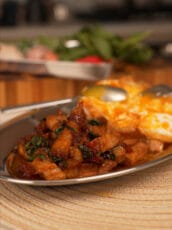
Gochujang Bolognese Tteokbokki brings together the deep, meaty richness of a classic Italian ragù with the chewy, addictive texture of Korean rice cakes — all wrapped in the bold, fermented heat of gochujang.
This dish is savory, spicy, umami-rich, and incredibly satisfying. And the best part? It makes enough for 8 servings and only gets better after a night in the fridge.
🇰🇷🇮🇹 Why Korean and Italian Flavors Work So Well Together
At first glance, gochujang and bolognese might seem like an unexpected pairing. But once you try it, the fusion makes perfect sense.
- Gochujang adds a fermented, spicy-sweet kick that blends seamlessly with the deep, slow-cooked flavor of traditional tomato-based bolognese.
- Gochugaru brings a clean heat that balances beautifully with the acidity of red wine and tomato passata.
- The classic Italian soffritto (onion, carrot, celery) builds a familiar savory base, while garlic, thyme, and bay leaf round everything out.
What you get is a thick, hearty meat sauce that hits all the right notes — spicy, savory, slightly sweet, and deeply comforting.
🍚 Why Tteokbokki Is the Perfect Pasta Swap
Instead of the usual pasta or rigatoni, this recipe uses tteokbokki (Korean rice cakes) — and trust me, it’s a game-changer.
- The chewy, bouncy texture of tteokbokki adds a whole new dimension to the dish.
- It holds the sauce beautifully and adds a starchy richness that complements the meaty bolognese.
- It makes the dish feel familiar but fresh, nostalgic yet new.
If you love Korean food and Italian food — or just love fusion recipes that surprise you — this one’s going to be a keeper.
How to Make Gochujang Bolognese Tteokbokki
Yield: 8 servings
Meat & Base:
- 1 lb ground beef
- 1 lb ground pork
- 2 onions, minced
- 1 carrot, minced
- 1 stick celery, minced
- 1 bulb garlic, minced
- 2 Tbsp olive oil
Sauces & Seasonings:
- 1 Tbsp tomato paste
- 3 Tbsp gochujang
- 1 Tbsp gochugaru
- 1 bottle (~700 mL) red wine
- 1 bottle (710 mL) tomato passata
- 4 sprigs thyme
- 1 bay leaf
- Salt & black pepper to taste
Carb:
- Tteokbokki (Korean rice cakes), cooked
🔪 Step-by-Step Instructions
Step 1: Brown the Meat
In a large pan, cook the ground beef and pork until browned and fully rendered. Set aside.

Step 2: Build the Soffritto
In a Dutch oven or deep pot, sauté the minced onions, carrot, and celery in olive oil until soft and translucent.
Step 3: Add Garlic
Toss in the garlic and stir until fragrant — about 30 seconds.
Step 4: Layer in the Flavor
Add the tomato paste, gochujang, and gochugaru. Stir and cook until the mixture darkens and becomes thick and aromatic.

Step 5: Deglaze with Wine
Add the browned meat back to the pot. Pour in the full bottle of red wine and simmer until reduced by 90%.
Step 6: Simmer
Add the tomato passata, thyme, and bay leaf. Lower the heat and simmer uncovered for about 2 hours, stirring occasionally.
Step 7: Season
Finish with salt and black pepper to taste.
Step 8: Cook and Combine
Boil tteokbokki in water for 2–3 minutes until soft. Drain and toss with a generous ladle of your gochujang bolognese. Mix well and serve hot.

🧊 Pro Tip: Tastes Better the Next Day
Like any good bolognese, this dish tastes even better the next day as the flavors continue to develop in the fridge.
It keeps well for up to 4 days refrigerated and also freezes beautifully.

Gochujang Bolognese Tteokbokki: Korean-Italian Fusion
🥄 Final Thoughts
Gochujang Bolognese Tteokbokki is the kind of meal that feels both comforting and exciting. It’s a perfect example of how two distinct cuisines — Italian and Korean — can come together to create something entirely new, but still deeply satisfying.
Whether you’re looking for a creative pasta alternative, a way to use up gochujang, or just a hearty, spicy meal prep recipe, this one’s going to be a hit.