Recipe Video
The Dish That Tells You Everything About a Restaurant
If I see com tam on the menu, it’s almost always what I’m ordering. No deliberation, no scanning the rest of the menu. Com tam. Done.
There is something about this dish that cuts straight to the heart of Vietnamese cooking. What started as a humble way to use up broken rice grains and the less desirable cuts of pork has evolved over generations into one of Vietnam’s most iconic dishes and a genuine symbol of abundance. Every component on the plate tells a story about resourcefulness and technique. Nothing is wasted. Everything is considered.
And here is the thing about com tam. If a restaurant does it well, you know they can cook. The grilled pork needs to be properly charred and deeply marinated. The meatloaf needs to be silky and moist. The pork skin needs crunch and seasoning. The fish sauce dressing needs to be perfectly balanced. The scallion oil needs to be fragrant without being greasy. Getting all of that right on one plate at the same time takes real skill, and a kitchen that can do it consistently is a kitchen that knows what it is doing.
Making this at home is nothing short of a labor of love. There are a lot of components, each with their own technique and timing. But if you commit to the process, what you end up with is one of the most satisfying plates of food you will ever put on your own table.
The Components
The Grilled Pork Chops
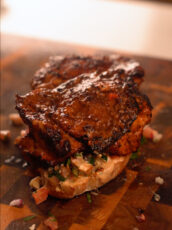
The pork chops are the centerpiece of the plate and they are built on a marinade that does serious work. Fish sauce as the base, palm sugar for caramelized sweetness, shallots and garlic for depth, black pepper for heat. Everything gets blended before marinating so the aromatics integrate fully into the meat and don’t burn on the grill.
You can cook these however you want. Pan fry, air fry, broil. But charcoal is the right answer. The smoke that builds up on the surface of the pork as it chars over coals is the signature aroma of com tam, and it is one of those flavors that no other cooking method can fully replicate. If you have access to a charcoal grill, use it.

The Meatloaf (Cha Trung Hap)
The meatloaf is simple and comforting in the best possible way. Ground pork, glass noodles for a subtle chewiness, wood ear mushrooms for texture and earthiness, shallots, garlic, and eggs to bind everything together. The finished loaf is steamed rather than baked, which keeps it tender, moist, and silky throughout rather than dense and dry. The egg yolk poured over the top and steamed in at the end creates a golden lacquered surface that is as beautiful as it is delicious.

The Shredded Pork Skin
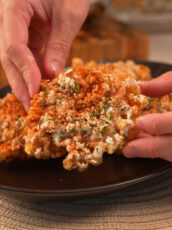
I will be honest with you. Making pork skin from scratch is extremely laborious. You need to boil, cool, slice, dry, and season it, and the result still might not be as good as what you can buy. I just buy mine from the Vietnamese grocery store. They make it better than I ever could anyway. Seasoned with garlic, toasted rice powder, fish sauce, and MSG, it adds a crunchy, savory element to the plate that ties the whole thing together texturally.

The Broken Rice
Broken rice, or com tam, is exactly what it sounds like. Rice grains that fracture during the milling process, historically separated out and sold cheaply because they were considered lesser. What the Vietnamese figured out is that broken rice has a unique texture when cooked, slightly stickier and more tender than whole grain rice, that makes it an ideal base for a plate this rich and saucy. Cook it with a 1:1 ratio of rice to water and you get fluffy, separate grains with just enough body to soak up everything on the plate without turning to mush.

The Sauces
The sauces are what tie the whole plate together.
The fish sauce dressing is sweet, sour, and spicy simultaneously. Warm water dissolves the sugar, fish sauce brings the salt and depth, lime juice brings the acidity, garlic and bird’s eye chili bring the heat. It needs to be balanced enough that you can pour it generously over the entire plate and have every component taste better for it.

The scallion oil is gentler. Scallion greens cooked low and slow in neutral oil until just wilted and fragrant, but never browned. The result is an oil that is deeply savory and aromatic, the kind of thing you drizzle over the rice and the pork skin and suddenly the whole plate smells like it was made by someone who knew exactly what they were doing.

Com Tam Recipe
Ingredients
Grilled Pork
- 600 g pork chops (about 4 pork chops)
- 60 ml fish sauce
- 60 ml water
- 50 g palm sugar
- 30 g garlic, roughly chopped
- 30 g shallots, roughly chopped
- ½ tsp black pepper
- ½ tsp MSG
Meatloaf (Cha Trung Hap)
- 450 g ground pork
- 35 g sugar
- 30 g shallots, minced
- 15 g garlic, minced
- 30 g mung bean noodles, soaked and roughly chopped
- 15 g wood ear mushrooms, soaked and finely chopped
- 1 tbsp fish sauce
- 1 tbsp tapioca starch
- 4 large eggs
- 3 egg yolks
Shredded Pork Skin
- 150 g cooked and shredded pork skin, store-bought
- 30 g garlic, minced
- 1 tbsp toasted rice powder
- 1 tsp fish sauce
- ½ tsp MSG
Broken Rice
- 3 cups broken rice
- 3 cups water
Fish Sauce Dressing
- 90 ml warm water
- 50 g sugar
- 30 ml fish sauce
- 15 ml lime juice
- 15 g garlic, minced
- 2 bird’s eye chilies, thinly sliced
Scallion Oil
- 100 g scallion greens, thinly sliced
- 60 ml neutral oil
- ¼ tsp salt
- ¼ tsp sugar
- ¼ tsp MSG
To Serve
- 2 tomatoes, sliced
- 1 cucumber, sliced
- Pickled daikon and carrots
- Fried eggs
Instructions
Marinate the Pork Chops
- Combine the fish sauce, water, palm sugar, garlic, shallots, black pepper, and MSG in a blender and blend until smooth. Blending the aromatics into the marinade prevents them from burning on the grill and ensures even distribution throughout the meat.
- Place the pork chops in the marinade and refrigerate for at least 2 hours, preferably longer. Overnight is ideal.
Cook the Pork Chops
- If grilling over charcoal, set up a two-zone fire with a hot side for searing and a cooler side for finishing thicker chops.
- Sear the pork chops on both sides until browned and lightly charred. Finish on the cooler side of the grill if the chops are thick.
- Alternatively, pan fry in a hot skillet, broil in the oven, or air fry at 375°F for 7-12 minutes depending on thickness.
Make the Meatloaf (Cha Trung Hap)
- Soak the mung bean noodles and wood ear mushrooms separately in warm water for about 30 minutes until fully rehydrated. Cut the noodles and mushrooms into roughly 1-inch pieces.
- In a large bowl, combine the ground pork, sugar, shallots, garlic, noodles, mushrooms, fish sauce, tapioca starch, and eggs. Mix until fully incorporated.
- Transfer the mixture to a parchment-lined loaf pan and smooth the top.
- Steam over medium-high heat for 25-30 minutes until the internal temperature reads 160°F (71°C).
- Whisk the 3 egg yolks together and pour evenly over the top of the meatloaf. Steam for an additional 5 minutes until the yolk layer is just set and golden.
- Remove from the steamer and let rest for at least 15 minutes before slicing.
Cook the Broken Rice
- Wash the broken rice 3-4 times until the water runs only slightly cloudy. Drain well.
- Add an equal volume of water to rice (3 cups rice, 3 cups water) and cook in a rice cooker. The 1:1 ratio gives you fluffy, separate grains rather than the stickier result you get with more water.
Season the Pork Skin
- In a bowl, combine the shredded pork skin with minced garlic, toasted rice powder, fish sauce, and MSG. Toss to coat evenly.
Make the Fish Sauce Dressing
- Combine the warm water and sugar and stir until the sugar fully dissolves.
- Add the fish sauce, lime juice, minced garlic, and sliced chilies. Taste and adjust the balance between sweet, sour, and salty until it is sharp, bright, and well-rounded.
Make the Scallion Oil
- In a small pot, combine the neutral oil, sliced scallion greens, salt, sugar, and MSG.
- Cook over medium-low heat for about 15 minutes until the scallions are wilted, fragrant, and just beginning to turn soft but not browned. You want green and fragrant, not golden and crispy.
Assemble
Plate the broken rice as the base. Arrange a slice of meatloaf, a sliced pork chop, a few tablespoons of seasoned pork skin, a fried egg, sliced cucumber, sliced tomato, and pickled daikon and carrots on and around the rice.
Spoon the scallion oil over the rice and pork skin. Pour the fish sauce dressing generously over the plate. Serve immediately.


Com Tam (Vietnamese Broken Rice)
4
servings1
hour30
minutes1
hour30
minutesIngredients
- Grilled Pork
600 g pork chops (about 4 pork chops)
60 ml fish sauce
60 ml water
50 g palm sugar
30 g garlic, roughly chopped
30 g shallots, roughly chopped
1/2 tsp black pepper
1/2 tsp MSG
- Meatloaf (Cha Trung Hap)
450 g ground pork
35 g sugar
30 g shallots, minced
15 g garlic, minced
30 g mung bean noodles, soaked and roughly chopped
15 g wood ear mushrooms, soaked and finely chopped
1 tbsp fish sauce
1 tbsp tapioca starch
4 large eggs
3 egg yolks
- Shredded Pork Skin
150 g cooked and shredded pork skin, store-bought
30 g garlic, minced
1 tbsp toasted rice powder
1 tsp fish sauce
1/4 tsp MSG
- Broken Rice
3 cups broken rice
3 cups water
- Fish Sauce Dressing
90 ml warm water
50 g sugar
30 ml fish sauce
15 ml lime juice
15 g garlic, minced
2 bird’s eye chilies, thinly sliced
- Scallion Oil
100 g scallion greens, thinly sliced
60 ml neutral oil
1/4 tsp salt
1/4 tsp sugar
1/4 tsp MSG
- To Serve
2 tomatoes, sliced
1 cucumber, sliced
Pickled daikon and carrots
Fried eggs
Directions
- Marinate the Pork Chops
- Combine the fish sauce, water, palm sugar, garlic, shallots, black pepper, and MSG in a blender and blend until smooth. Blending the aromatics into the marinade prevents them from burning on the grill and ensures even distribution throughout the meat.
- Place the pork chops in the marinade and refrigerate for at least 2 hours, preferably longer. Overnight is ideal.
- Cook the Pork Chops
- If grilling over charcoal, set up a two-zone fire with a hot side for searing and a cooler side for finishing thicker chops.
- Sear the pork chops on both sides until deeply browned and lightly charred. Finish on the cooler side of the grill if the chops are thick.
- Alternatively, pan fry in a hot skillet, broil in the oven, or air fry at 375°F for 7-12 minutes depending on thickness.
- Make the Meatloaf (Cha Trung Hap)
- Soak the mung bean noodles and wood ear mushrooms separately in warm water for about 30 minutes until fully rehydrated. Cut the noodles and mushrooms into roughly 1-inch pieces.
- In a large bowl, combine the ground pork, sugar, shallots, garlic, noodles, mushrooms, fish sauce, tapioca starch, and eggs. Mix until fully incorporated.
- Transfer the mixture to a parchment-lined loaf pan and smooth the top.
- Steam over medium-high heat for 25-30 minutes until the internal temperature reads 160°F (71°C).
- Whisk the 3 egg yolks together and pour evenly over the top of the meatloaf. Steam for an additional 5 minutes until the yolk layer is just set and golden.
- Remove from the steamer and let rest for at least 15 minutes before slicing.
- Cook the Broken Rice
- Wash the broken rice 3-4 times until the water runs only slightly cloudy. Drain well.
- Add an equal volume of water to rice (3 cups rice, 3 cups water) and cook in a rice cooker. The 1:1 ratio gives you fluffy, separate grains rather than the stickier result you get with more water.
- Season the Pork Skin
- In a bowl, combine the shredded pork skin with minced garlic, toasted rice powder, fish sauce, and MSG. Toss to coat evenly.
- Make the Fish Sauce Dressing
- Combine the warm water and sugar and stir until the sugar fully dissolves.
- Add the fish sauce, lime juice, minced garlic, and sliced chilies. Taste and adjust the balance between sweet, sour, and salty until it is sharp, bright, and well-rounded.
- Make the Scallion Oil
- In a small pot, combine the neutral oil, sliced scallion greens, salt, sugar, and MSG.
- Cook over medium-low heat for about 15 minutes until the scallions are wilted, fragrant, and just beginning to turn soft but not browned. You want green and fragrant, not golden and crispy.
- Assemble
- Plate the broken rice as the base. Arrange a slice of meatloaf, a sliced pork chop, a few tablespoons of seasoned pork skin, a fried egg, sliced cucumber, sliced tomato, and pickled daikon and carrots on and around the rice.
- Spoon the scallion oil over the rice and pork skin. Pour the fish sauce dressing generously over the plate. Serve immediately.
Tips
- Blend the marinade. Blending the shallots and garlic into the liquid before marinating means the aromatics won’t sit on the surface of the pork and burn on the grill. It also means the marinade penetrates the meat more evenly.
- Charcoal over everything. If you have access to a charcoal grill, use it. The smokiness it imparts on the pork is the defining aroma of com tam and it is genuinely irreplaceable.
- Don’t rush the meatloaf rest. Slicing the meatloaf while it is still hot causes it to fall apart. Let it rest for at least 15 minutes so it firms up enough to slice cleanly.
- Buy the pork skin. Seriously. Vietnamese grocery stores sell pre-cooked shredded pork skin that is better than anything you will produce at home. Season it yourself and call it a day.
- Balance the fish sauce dressing to taste. The ratios in this recipe are a starting point. The exact balance depends on the fish sauce brand you use and your personal preference. Keep tasting and adjusting until every element is in harmony.
- Cook the scallion oil low and slow. This is not a high-heat fry. You want the scallions to wilt gently and release their fragrance into the oil without browning. Medium-low heat and patience is the only way to get there.
Final Thoughts
Com tam is a dish that rewards effort. Every component exists for a reason, every sauce balances every other element on the plate, and the sum is something far greater than its parts. It is humble and abundant at the same time, which is exactly what made it a symbol of Vietnamese food culture in the first place.
Make it once as a project. Take your time with every component. And then sit down with a plate that you built from scratch and understand, properly, why this is one of the great dishes of Southeast Asia.