If you’ve ever bitten into a perfectly ripe summer tomato and thought, wow, this tastes almost meaty, you’ve experienced the magic of umami. That savory depth isn’t just in your head — it’s chemistry. And one of the most concentrated ways to capture it is through tomato water.
This crystal-clear liquid is sometimes called concentrated natural MSG because it’s packed with free glutamate, the amino acid responsible for umami. It’s what you get when you extract the savory essence from tomatoes — and it can transform sauces, dressings, and even powders.
🍅 What Is Tomato Water?
At its core, tomato water is the liquid extract from tomatoes. My preferred method at home is to blend them with salt and leave the mixture to drain through layers of cheesecloth overnight (there are many other methods used in professional kitchens, but this is my recommended method for the home cook). The salt helps draw out moisture, and what drips through is an umami-rich liquid gold.
The simplest method is this:
- Roughly blend ripe tomatoes with salt.
- Place the mixture in a sieve lined with cheesecloth.
- Let it drain in the fridge for a few hours (or overnight).
What’s left is a clear, savory liquid that tastes like the essence of summer.
Why Do Tomatoes Taste So Good? (The Umami Science)
Tomatoes are naturally rich in glutamic acid, the amino acid responsible for umami — the “fifth taste” alongside sweet, salty, sour, and bitter.
Here’s the breakdown:
- MSG vs. Glutamic Acid
MSG (monosodium glutamate) is simply the sodium salt of glutamic acid. When you eat MSG, your body breaks it down into sodium and glutamate. Tomatoes, Parmesan cheese, mushrooms, and seaweed contain glutamate in its natural, free form. - Free Glutamate = Umami
Not all glutamate in food is “free” — some is locked up in proteins. Ripe tomatoes have a high level of free glutamate, which directly triggers umami taste receptors. - Numbers for perspective:
- Fresh tomatoes: ~200 mg free glutamate per 100 g
- Parmesan cheese: ~1,200 mg per 100 g
- MSG seasoning: ~10,000 mg per 100 g
- How It Works in Cooking
When glutamate binds to receptors on your tongue, your brain interprets it as deeply savory and satisfying. That’s why tomato sauces, ketchup, or tomato paste taste rich and complex — no meat required.
So yes, cooking with tomatoes is basically adding a natural umami booster, the same way MSG works, but in gentler amounts.
Ways to Use Tomato Water


Once you’ve extracted tomato water, you can:
- Reduce it and whisk in butter → an intensely flavorful tomato butter sauce.
- Set it with agar → a delicate tomato jelly.
- Mix with oil and vinegar → a refreshing tomato water vinaigrette.
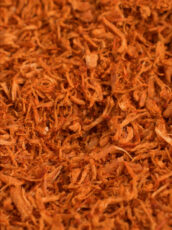
- Dehydrate the leftover pulp → grind it into tomato powder for seasoning.
Sample Tomato Water Recipes
Tomato Water
Ingredients
- 1000 g ripe tomatoes, roughly chopped
- 10 g salt
Method
- Blend tomatoes with salt on low speed until chunky.
- Strain through a sieve lined with cheesecloth in the fridge for 2 hours (up to overnight).
Tomato Water Vinaigrette

Ingredients
- ½ cup tomato water
- ¾ cup extra virgin olive oil
- ½ cup sherry vinegar
- Salt and pepper, to taste
Method
- Whisk everything together.
- Store in the fridge up to 5 days. Shake before using.
Tomato Butter Sauce

Ingredients
- 300 g tomato water
- 100 g butter, room temp
- 3 g salt (adjust to taste)
- 5 g sugar (adjust to taste)
- 1 tsp sherry vinegar
- ~1 g xanthan gum
Method
- Reduce 300 g tomato water to about 150 g.
- Transfer to a tall container. Blend in butter cubes one at a time using an immersion blender.
- Season with salt, sugar, and vinegar.
- Blend in xanthan gum little by little to stabilize.
Tomato Jelly

Ingredients
- tomato water
- agar agar powder
Method
- Weigh out the amount of tomato water you wish to transform into jelly. I would suggest pouring out the desired amount of tomato water into the vessel you will use to mold the jelly and weighing out that amount. I used about 130 g of tomato water to form 2 discs of jelly with a 3 inch diameter.
- Calculate 1.3 % of the tomato water’s weight and weight out that amount of agar powder.
- Bring the tomato water to a boil in a small pot, add the agar, and whisk vigorously for 1 minute. Turn off the heat and continue whisking for another minute.
- Strain the agar mix directly into the molding vessel and use a blowtorch to get rid of any surface bubbles.
- Let the jelly set, about 15-20 minutes.
- Cut into whatever shape you want using a cutting tool that has been dipped in water to prevent sticking.
- Gently slide the jelly up off the rim of your molding vessel and store in a damp plastic container until needed. It can last in the fridge for up to 3 days.
Tomato Powder

Ingredients
- Tomato pulp (leftover from tomato water)
Method
- Dehydrate pulp at 140°F for 10–12 hours.
- Blend into a fine powder and pass through a sieve.
- Store in an airtight container at room temperature (up to 1 month).
Final Thoughts
Tomato water is more than just a byproduct — it’s a chef’s secret weapon. Packed with natural umami, it delivers the same savory kick people associate with MSG, but straight from fresh, ripe tomatoes. Whether you whisk it into a vinaigrette, mount it into a sauce, or dry the pulp into seasoning powder, tomato water is proof that the simplest ingredients can unlock the deepest flavors.